A growing industrial maritime ecosystem is forming around the Dangote Refinery and Fertiliser complex, and it is directly relevant to LRIM's ship chandling, logistics and procurement business.
The jetty forms part of the integrated marine logistics infrastructure supporting the Dangote Refinery and Fertiliser complex.
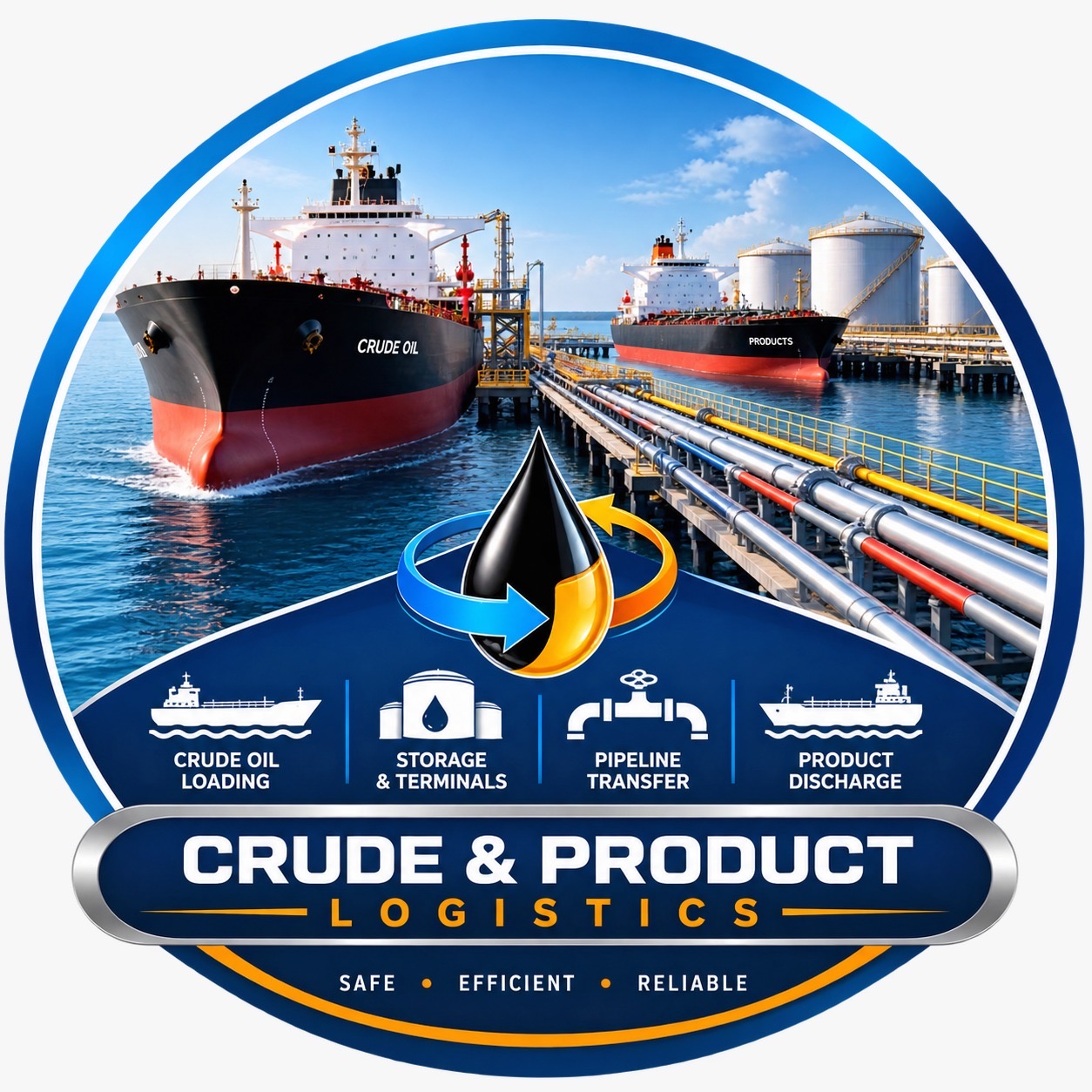 Crude and product logistics
The refinery is reported to be operating at approximately 650,000 barrels per day, with crude receipts reaching a record level in April 2026 and growing exports of diesel, jet fuel and other refined products.
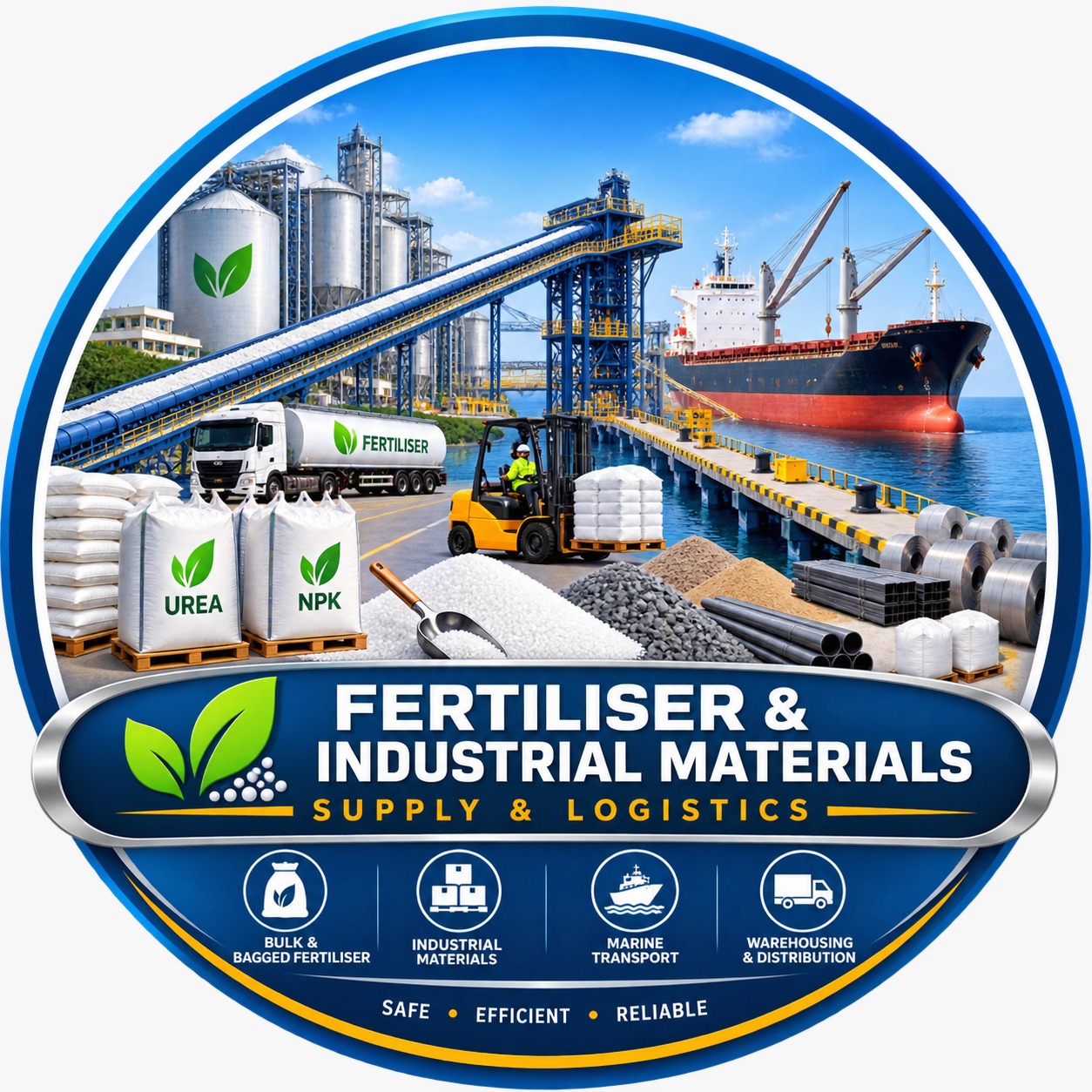 Fertiliser and industrial materials
The jetty handles fertiliser exports, particularly urea, alongside marine receipt and shipment of industrial materials for the wider complex.
Ongoing berthing, loading and unloading operations, together with export logistics for refined petroleum products and broader marine and port services around the complex.
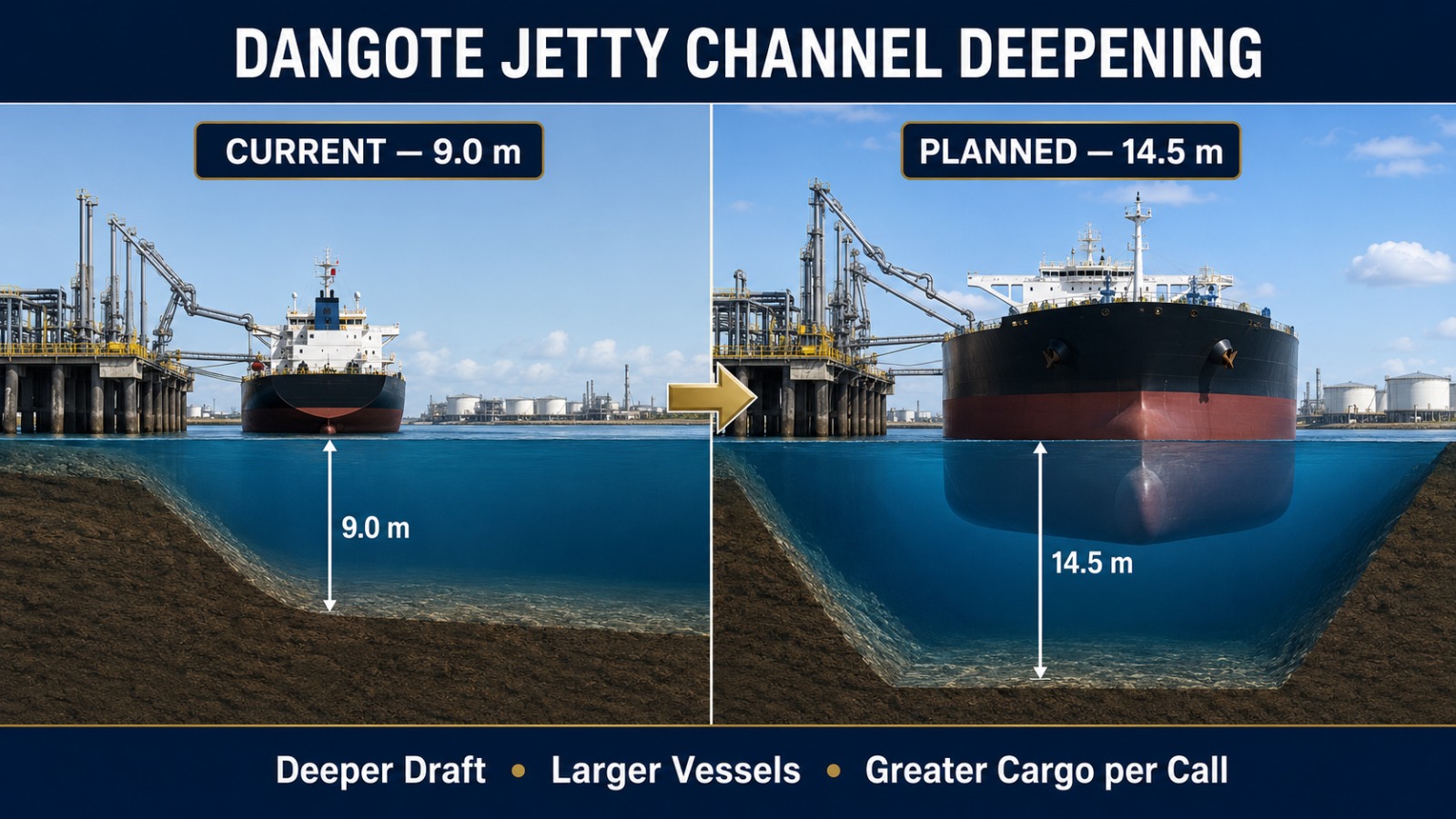
Publicly reported plans indicate a significant expansion of the jetty's marine infrastructure.
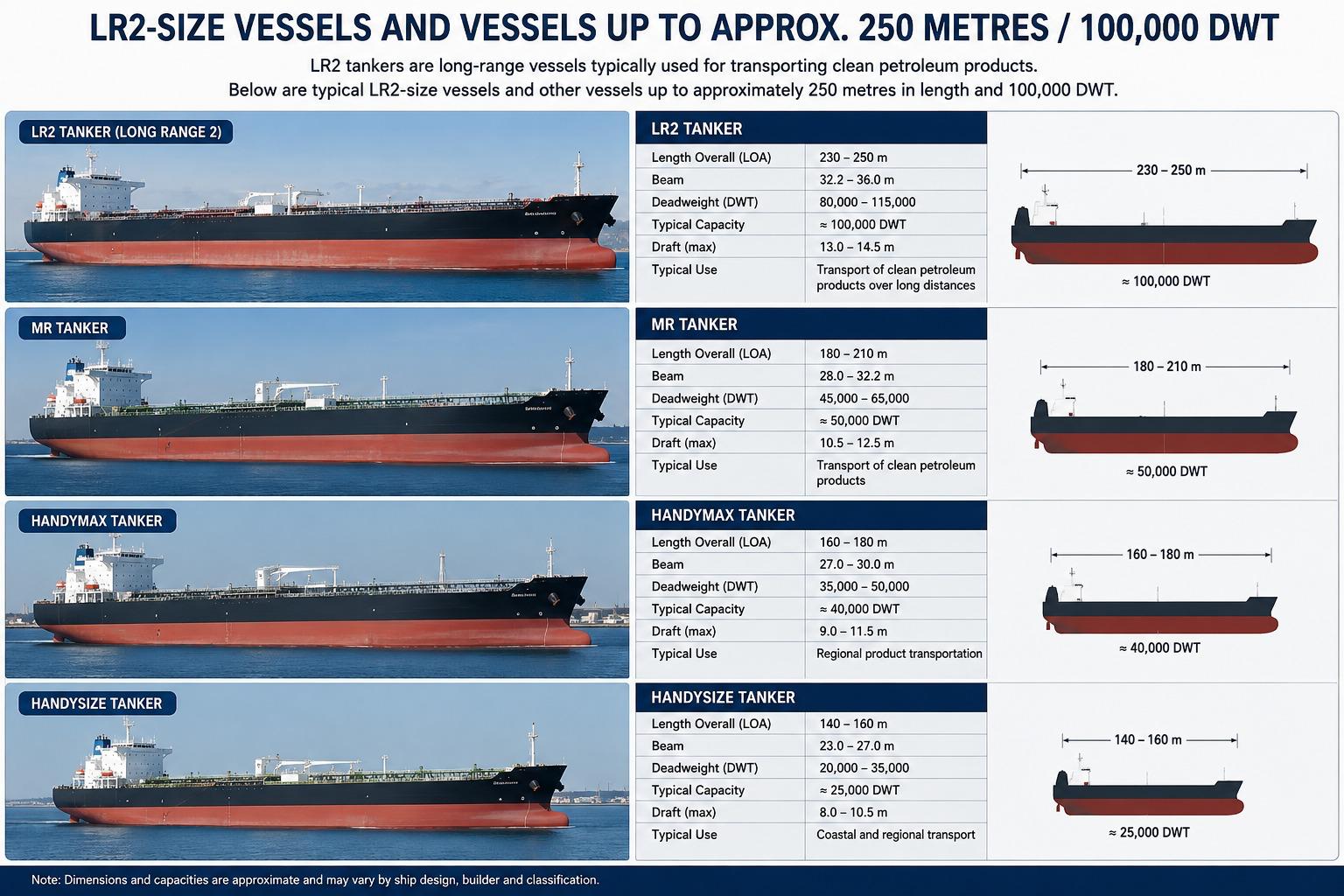
A four-berth marine jetty is under development to accommodate LR2-size vessels and smaller ships, addressing limitations of the existing single-point mooring system and supporting more flexible product distribution.
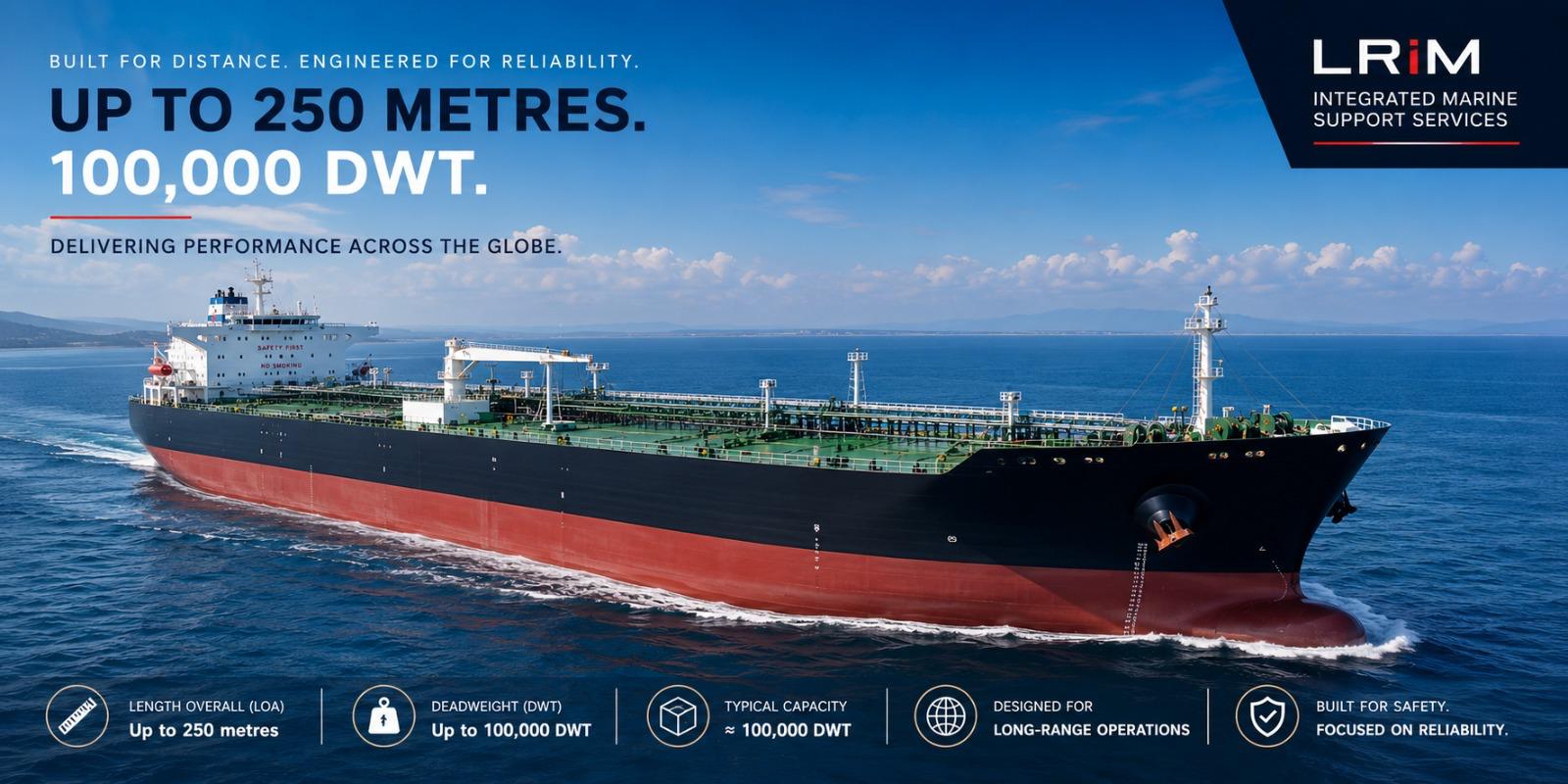
The expanded infrastructure is reported to be designed for vessels up to approximately 250 metres and 100,000 DWT, while also accommodating smaller vessels for domestic and regional distribution.
Reported plans would allow the facility to handle larger vessels and greater cargo volumes per vessel. On the fertiliser side, this is expected to move capacity from around 33,000 tonnes to approximately 60,000 tonnes per vessel.
A reported shift away from truck-based movement of roughly 30-tonne loads, toward a fully automated conveyor system connecting the fertiliser plant directly to the jetty.
The jetty expansion sits within a considerably larger industrial build-out.
Refining capacity is reported to be targeted to grow to approximately 1.4 million barrels per day, with completion targeted around the end of 2028. The expansion also includes petrochemical projects, including additional polypropylene capacity and a new Linear Alkyl Benzene facility.
In July 2026, the Nigerian Ports Authority commissioned additional tugboats intended to improve berthing, towage, security and marine operations around the Dangote Refinery and Lekki maritime corridor, a further sign of strengthening marine infrastructure in the area.
Diagrams referenced throughout this page, shown together for convenience.
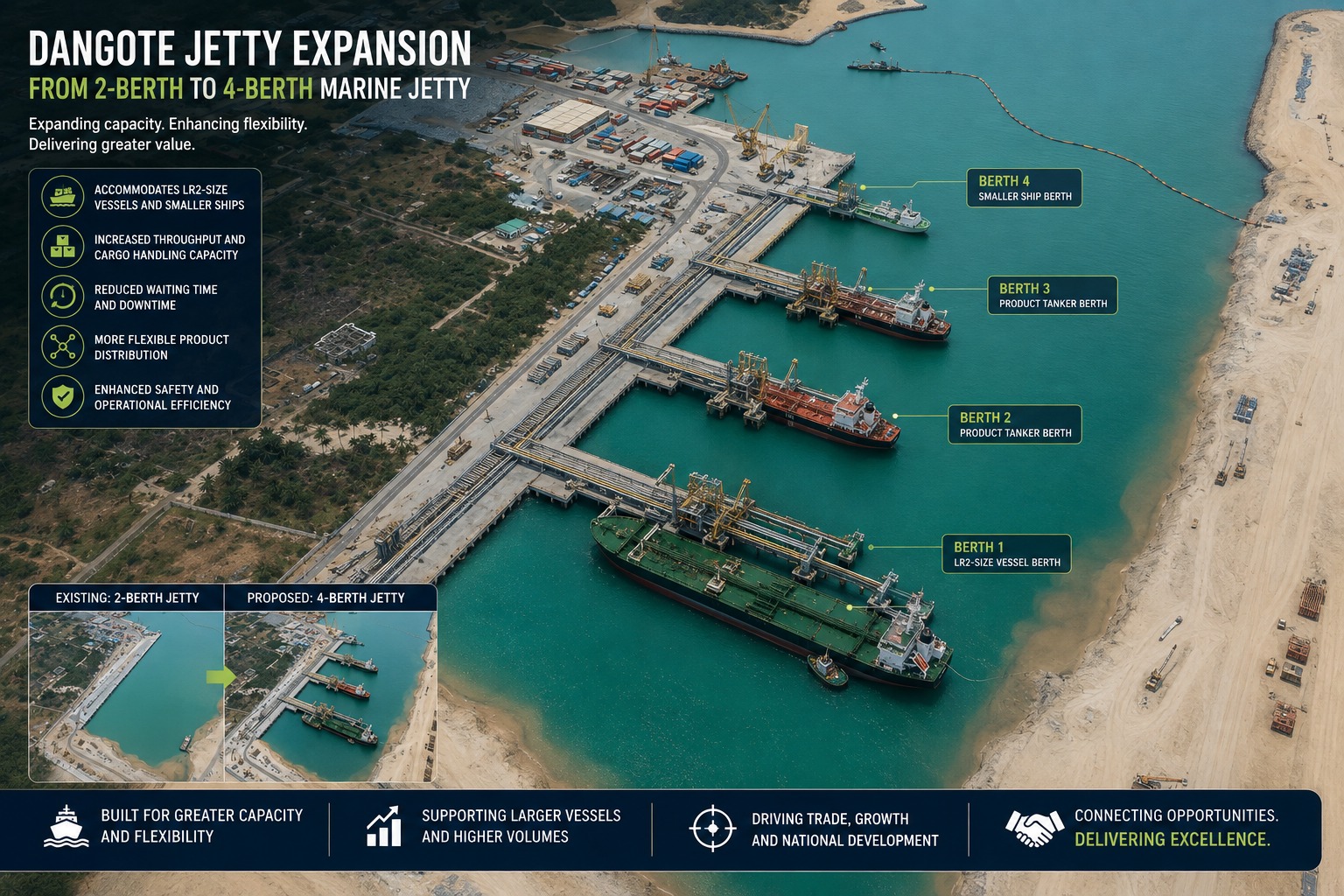
Rather than a static berthing point, the Dangote Jetty is evolving into a large integrated maritime-industrial and export hub. Larger and more frequent vessel movements, combined with an expanding industrial complex, point to sustained growth in demand for marine supplies, procurement and logistics services in the years ahead.